
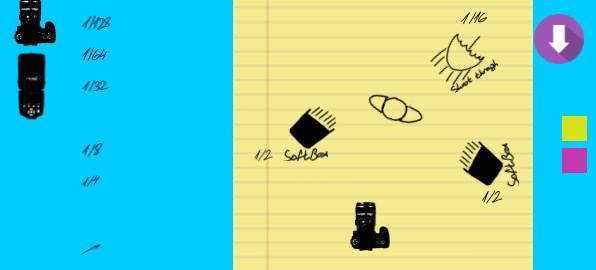
Hi, This is something that I wanted to do for a long time, the problem with me is that I want to do it alone, that’s why it took me so long… This is the first version of Diyphotogrpahystuff’s Lighting Diagram Creator, it’s not a rival to Strobox, or other services, Continue Reading
Best places to photograph in Luberon, France
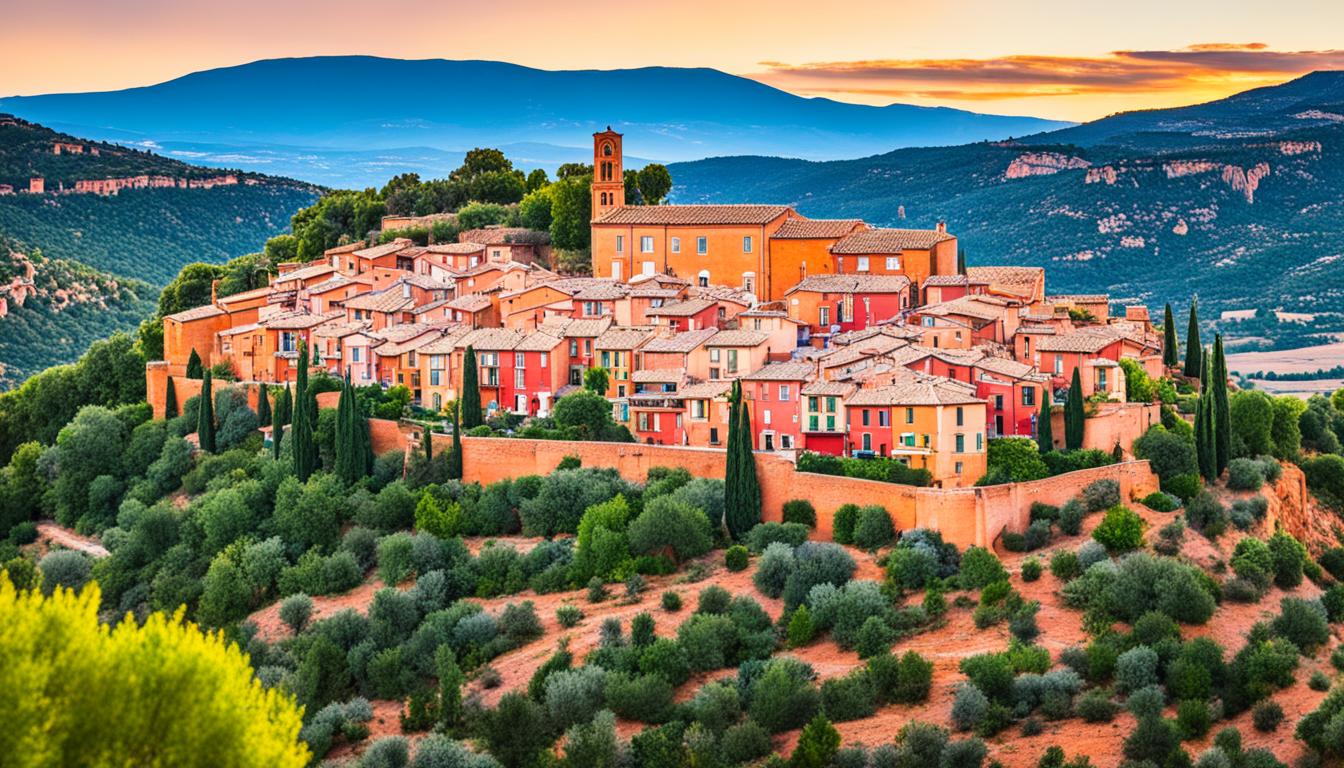
“Photography is the story I fail to put into words.” – Destin Sparks Welcome to Luberon, a region in France that beckons photographers from around the world to capture its breathtaking beauty. From rolling lavender fields to picturesque hilltop villages, Luberon offers a myriad of stunning locations that are every Continue Reading
Best places to photograph in Interlaken, Switzerland
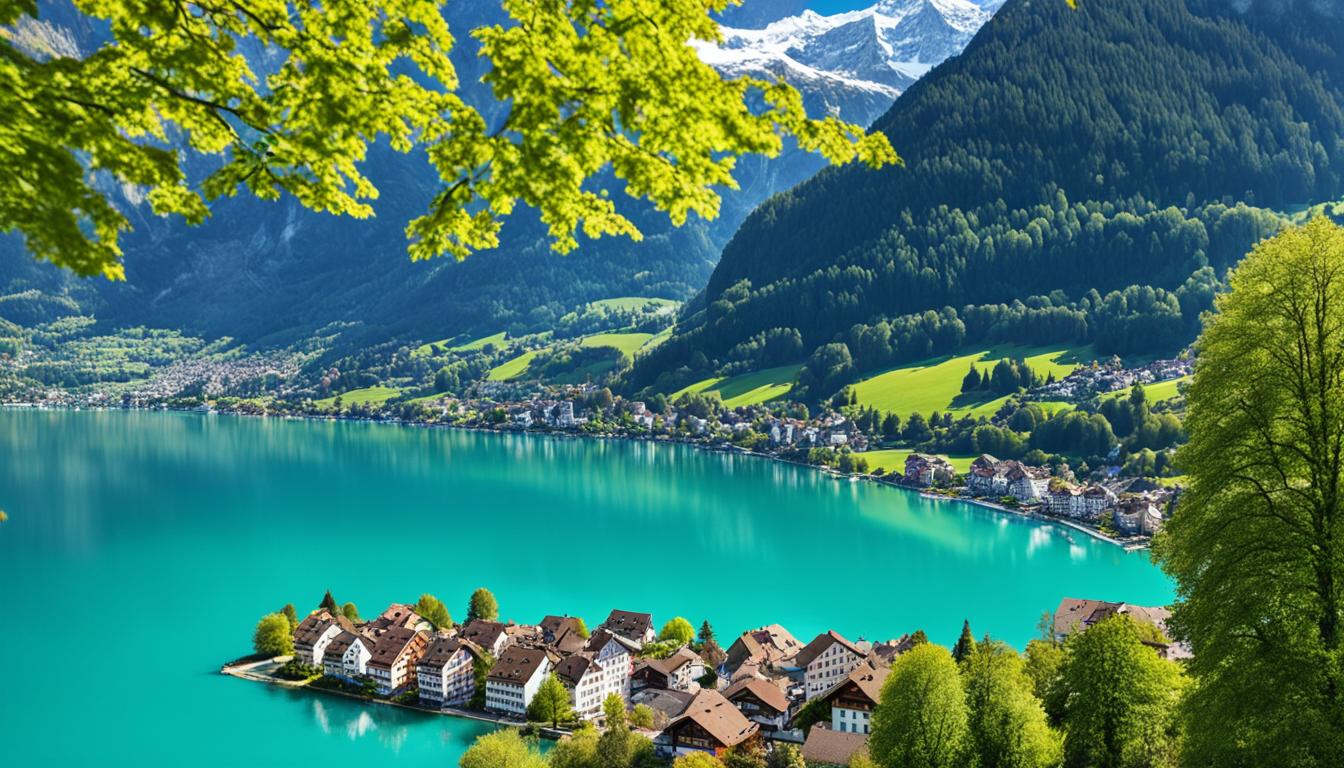
“Photography is the story I fail to put into words.” – Destin Sparks Interlaken, Switzerland, is a dream destination for photographers. With its breathtaking landscapes, charming architecture, and pristine lakes, it offers endless opportunities to capture awe-inspiring images. Whether you’re a professional photographer seeking the perfect shot or an amateur Continue Reading
Best places to photograph in Bali, Indonesia
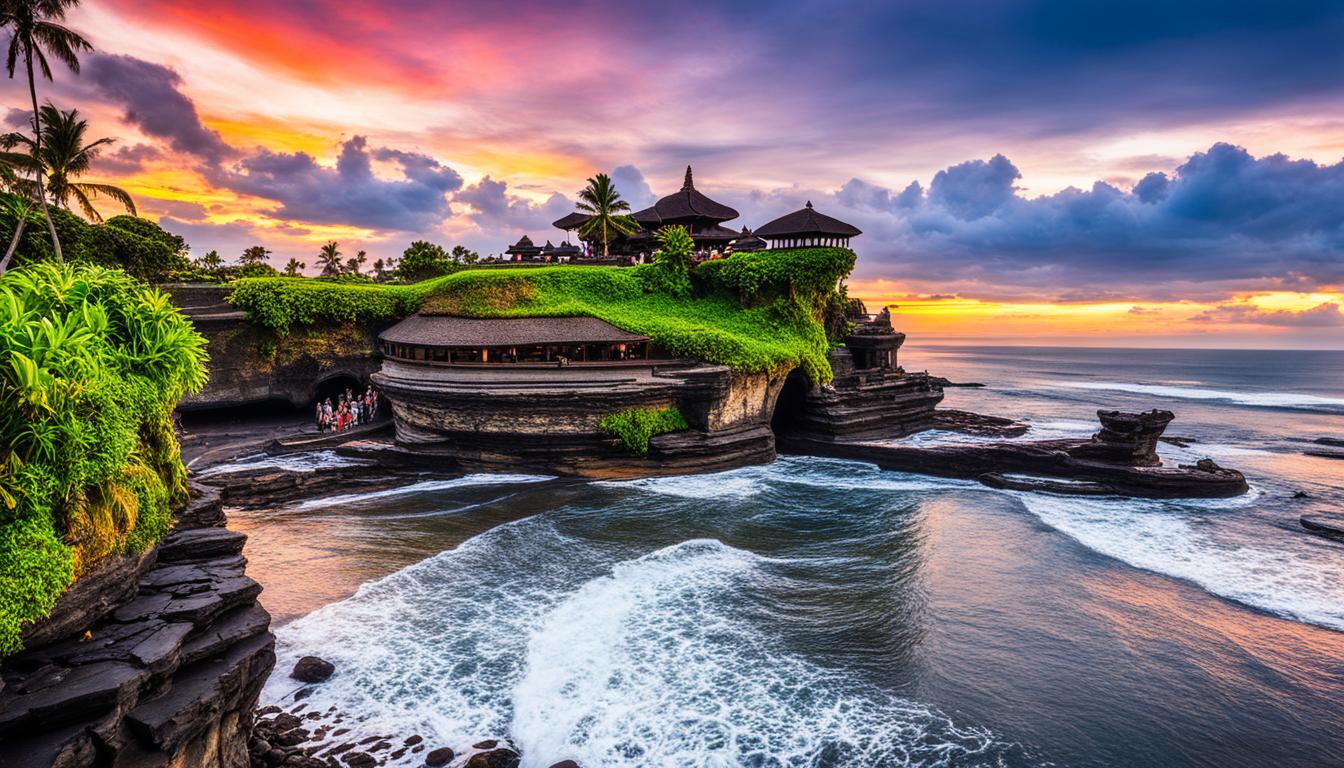
“Photography is the story I fail to put into words.” – Destin Sparks Bali is a dream destination for photography enthusiasts, with its stunning landscapes, beautiful beaches, and rich cultural heritage. Whether you’re searching for iconic landmarks or hidden gems, Bali offers a plethora of picture-perfect locations. From stunning beaches Continue Reading
Best places to photograph in Budapest, Hungary
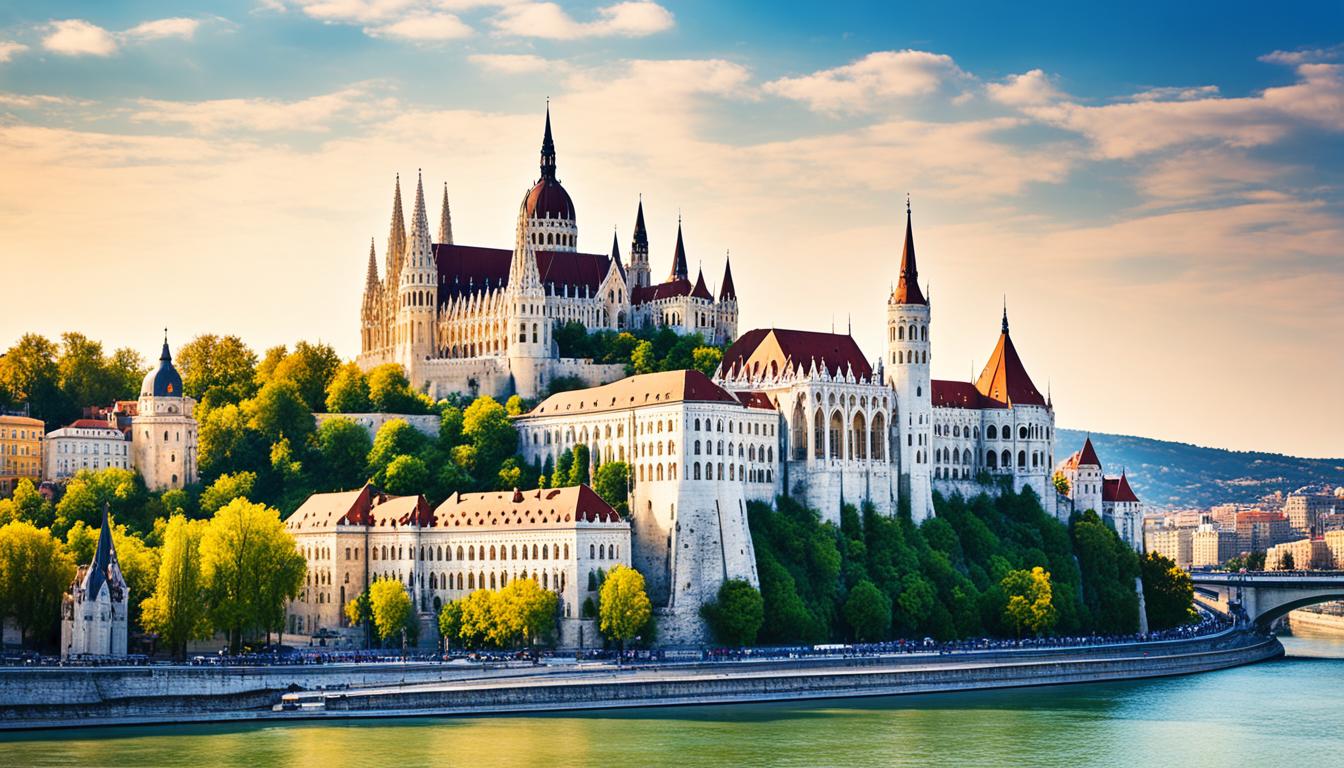
“Photography is the story I fail to put into words.” – Destin Sparks Budapest, the capital of Hungary, is a city that effortlessly combines history, culture, and beauty. With its stunning architecture, charming streets, and breathtaking views, Budapest offers endless opportunities for photographers to capture its unique essence. Whether you’re Continue Reading
Best places to photograph in Ljubljana, Slovenia
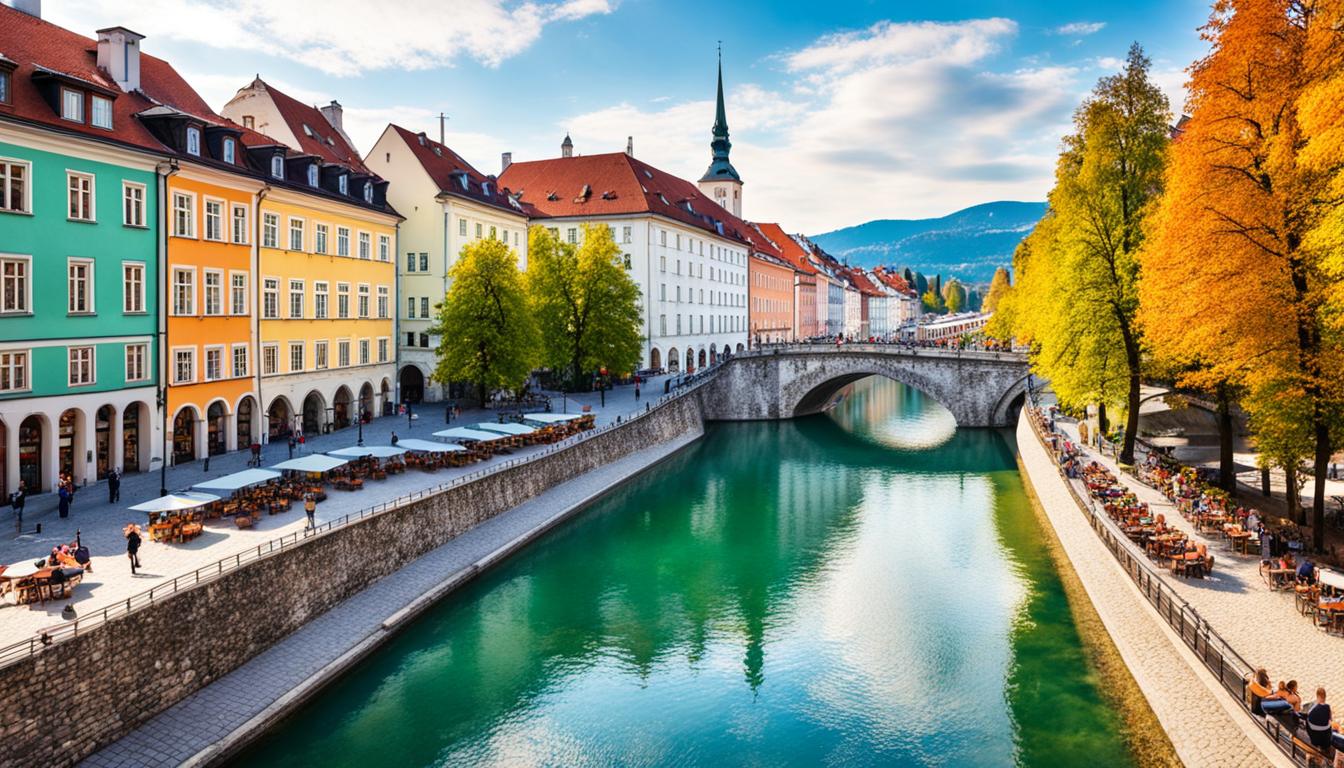
“Photography is the story I fail to put into words.” – Destin Sparks Ljubljana, the capital city of Slovenia, is a hidden gem for photography enthusiasts. With its stunning architecture, picturesque landscapes, and vibrant atmosphere, it offers a wealth of opportunities to capture breathtaking photographs. Whether you’re an Instagram influencer Continue Reading
Best places to photograph in Venice, Italy
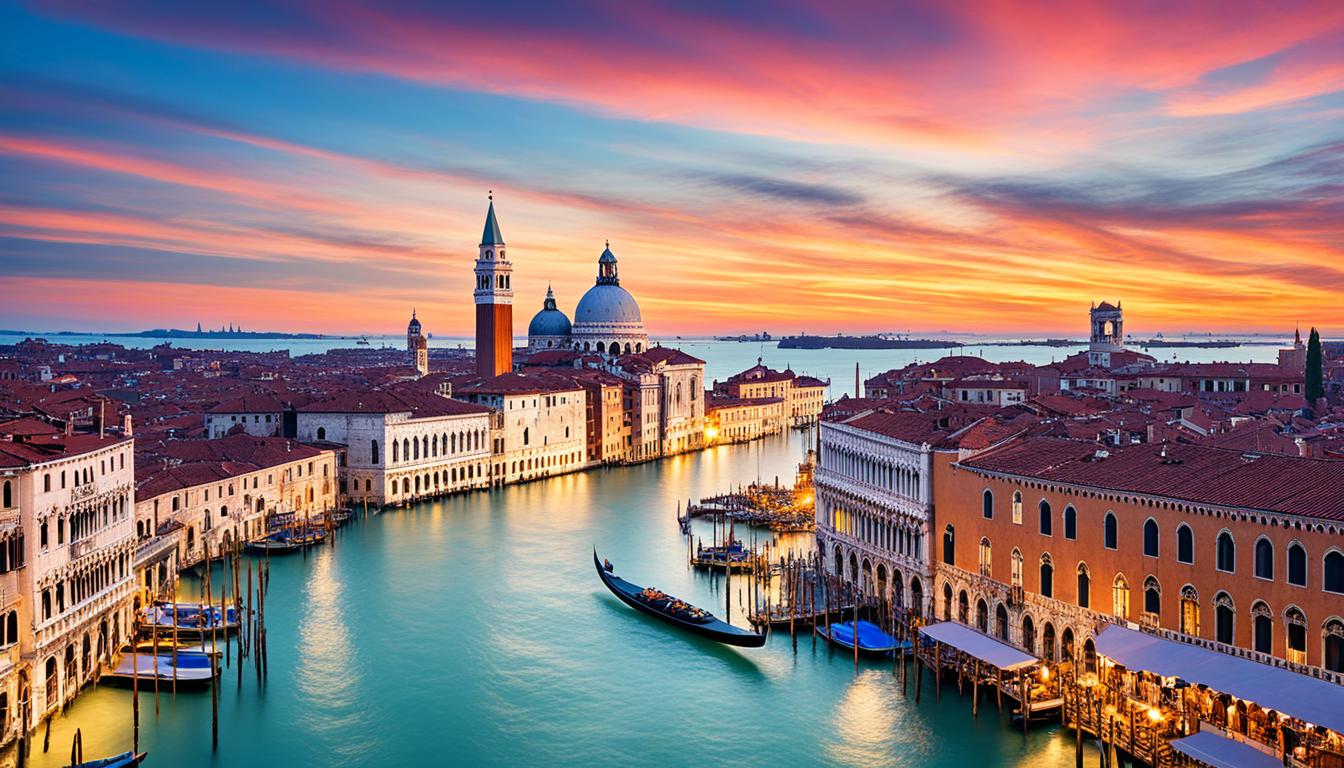
“Photography is the only language that can be understood anywhere in the world.” – Bruno Barbey Welcome to Venice, the city of endless beauty and timeless charm. As a photographer, there is no better place to capture stunning images than in the enchanting streets, canals, and landmarks of this Italian Continue Reading
Best places to photograph in Kyoto, Japan
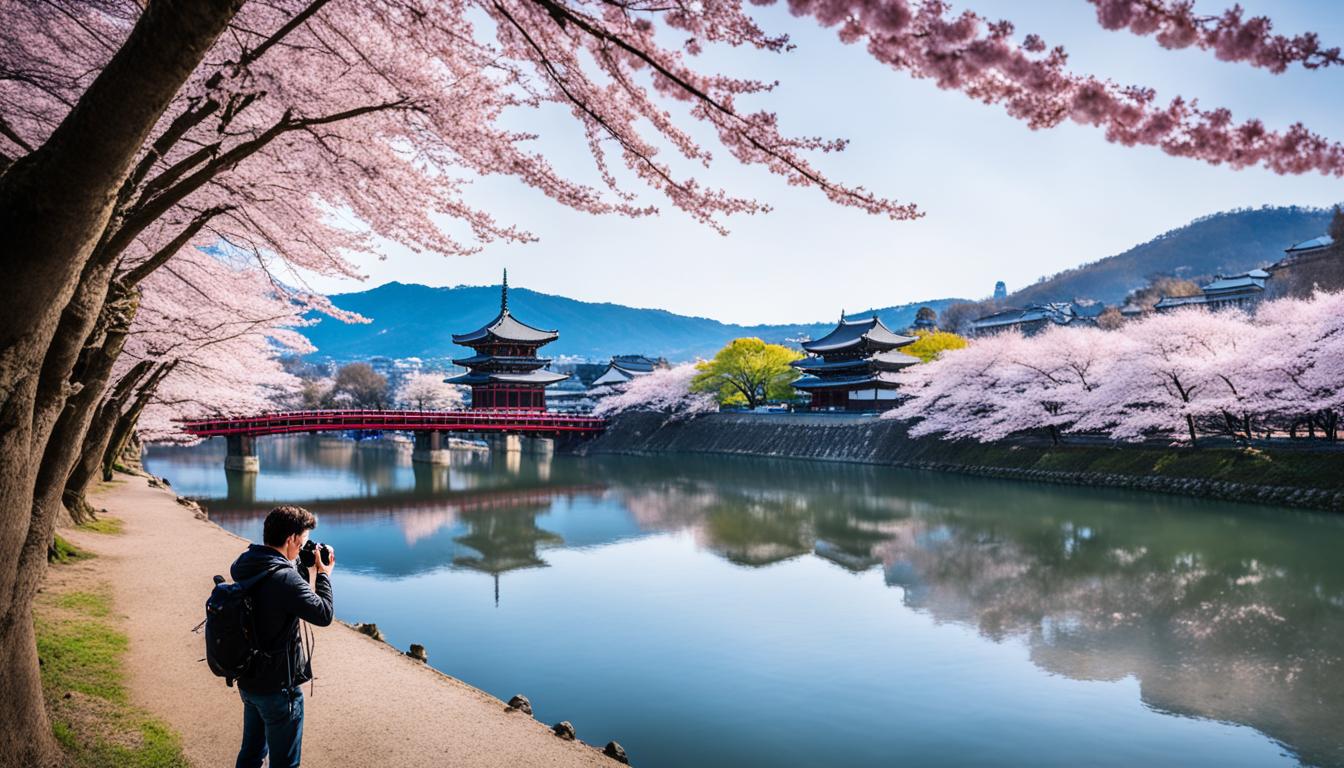
“Photography is a way of feeling, of touching, of loving. What you have captured on film is captured forever… It remembers little things, long after you have forgotten everything.” – Aaron Siskind Kyoto is a city that evokes a sense of timeless beauty and charm. With its rich history, stunning Continue Reading
Best places to photograph in Serengeti National Park, Tanzania
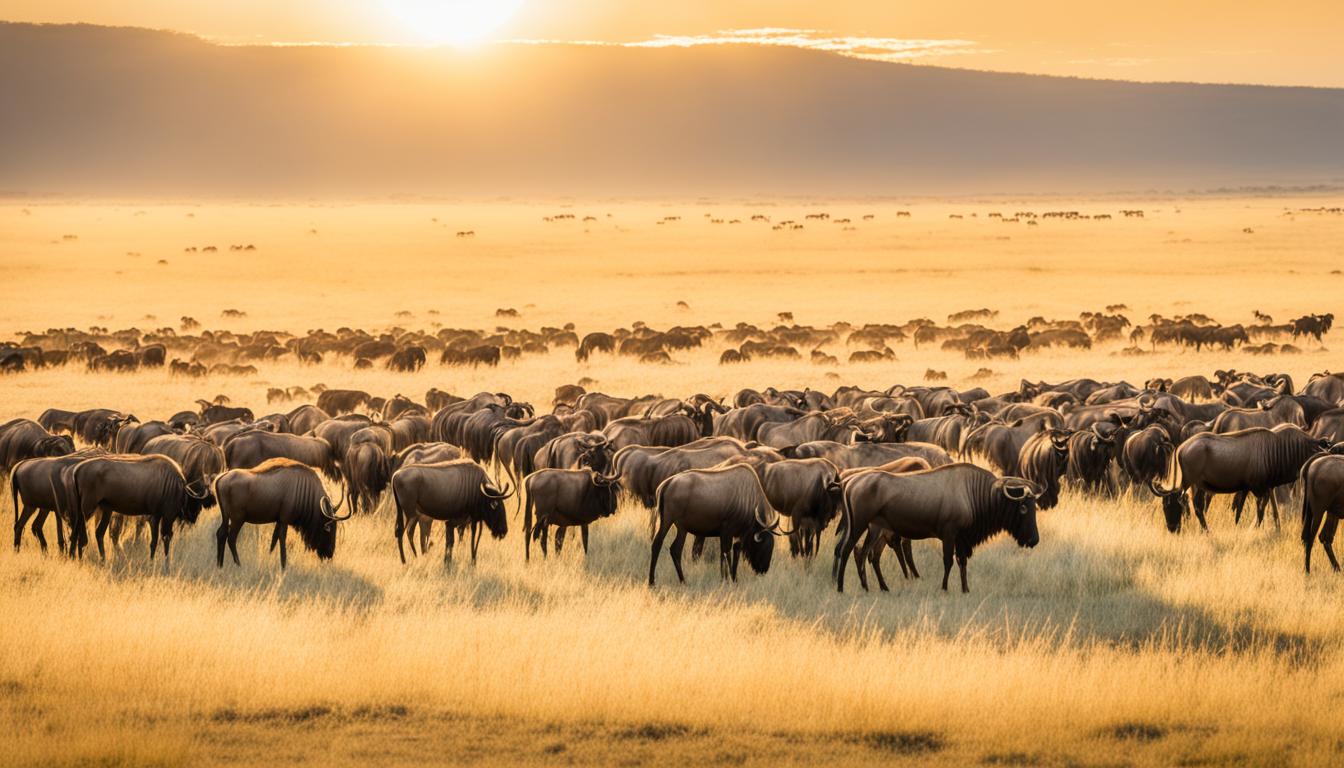
“Photography takes an instant out of time, altering life by holding it still.” – Dorothea Lange Welcome to the awe-inspiring Serengeti National Park, a photographer’s paradise nestled in the heart of Tanzania. Here, amidst the vast plains and captivating wildlife, every click of the shutter captures a frozen moment in Continue Reading
Best places to photograph in Cairns, Australia
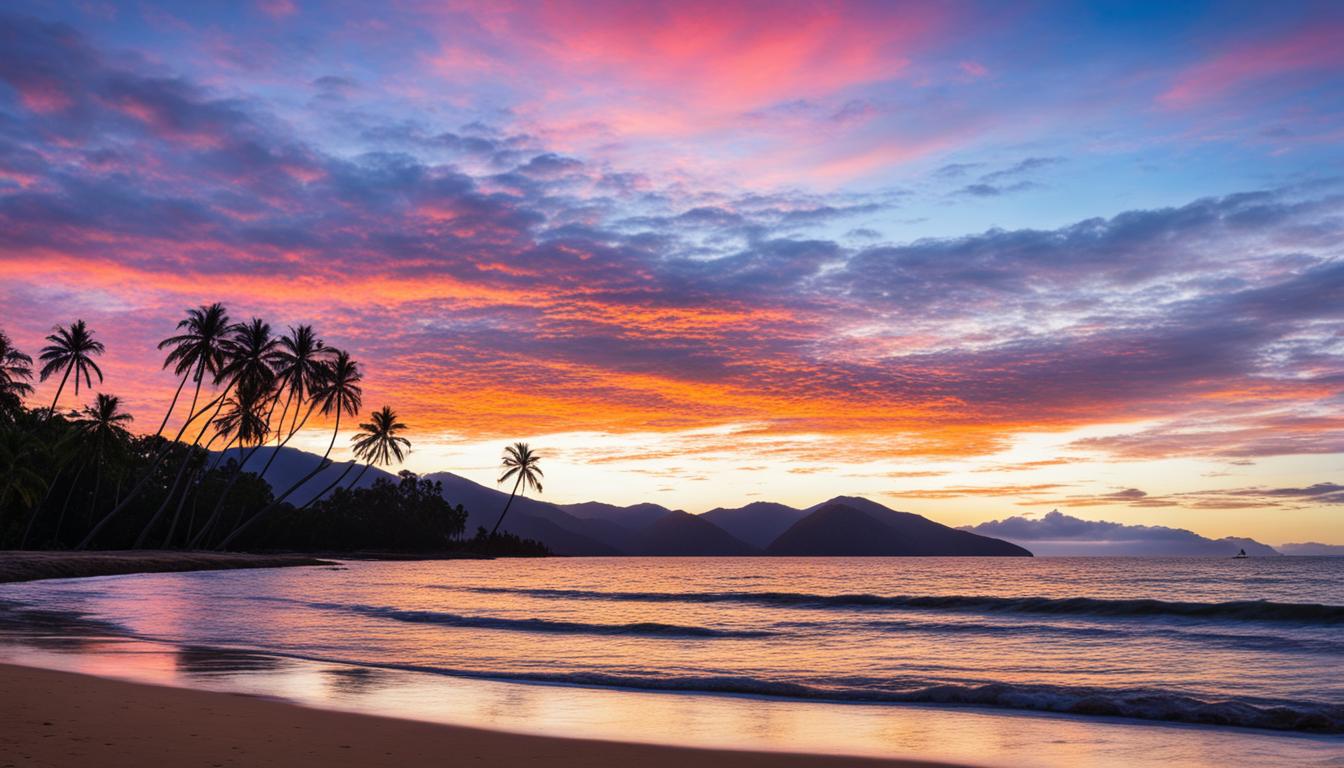
“Photography is the story I fail to put into words.” – Destin Sparks Welcome to Cairns, Australia, where natural beauty and captivating landscapes come together to create a photographer’s paradise. Known for its pristine beaches, lush rainforests, and diverse wildlife, Cairns offers a plethora of stunning photography spots that are Continue Reading
Best places to photograph in Siem Reap, Cambodia
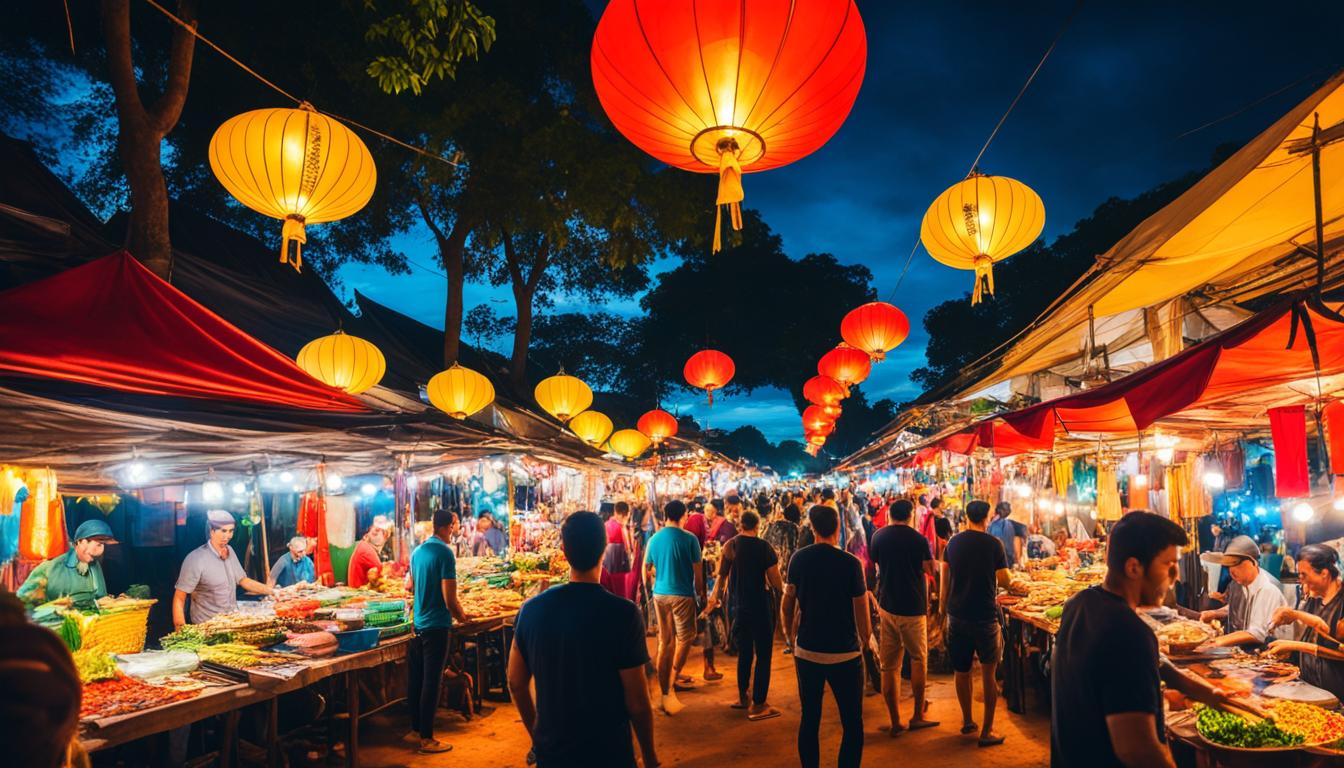
“Photography is a way of feeling, of touching, of loving. What you have caught on film is captured forever… It remembers little things, long after you have forgotten everything.” – Aaron Siskind Siem Reap, Cambodia is a hidden treasure for photographers, offering a perfect blend of ancient temples and vibrant Continue Reading
Best places to photograph in Agra, India
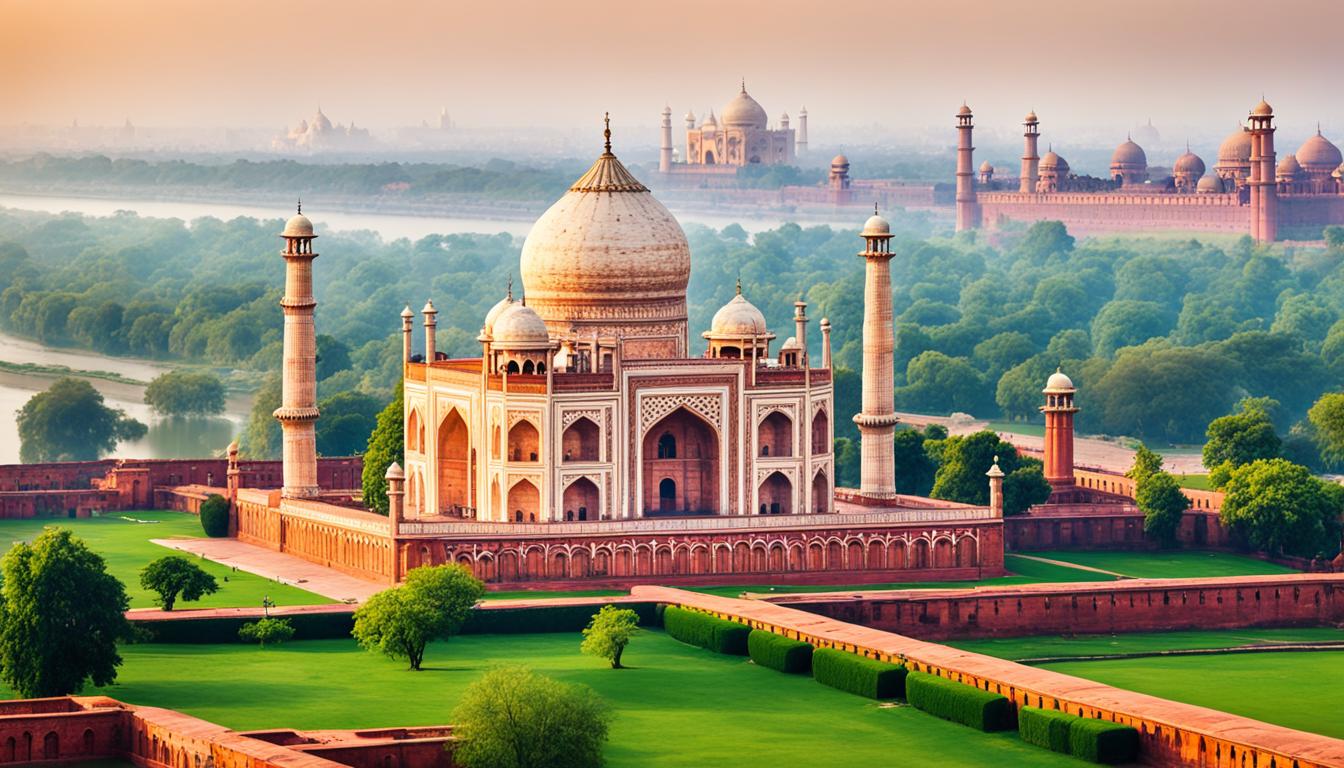
“Photography is a way of feeling, of touching, of loving. What you have caught on film is captured forever… it remembers little things, long after you have forgotten everything.” – Aaron Siskind Agra, India, is a photographer’s paradise. With its rich history and iconic landmarks, this city offers endless opportunities Continue Reading
Best places to photograph in Uyuni Salt Flats, Bolivia
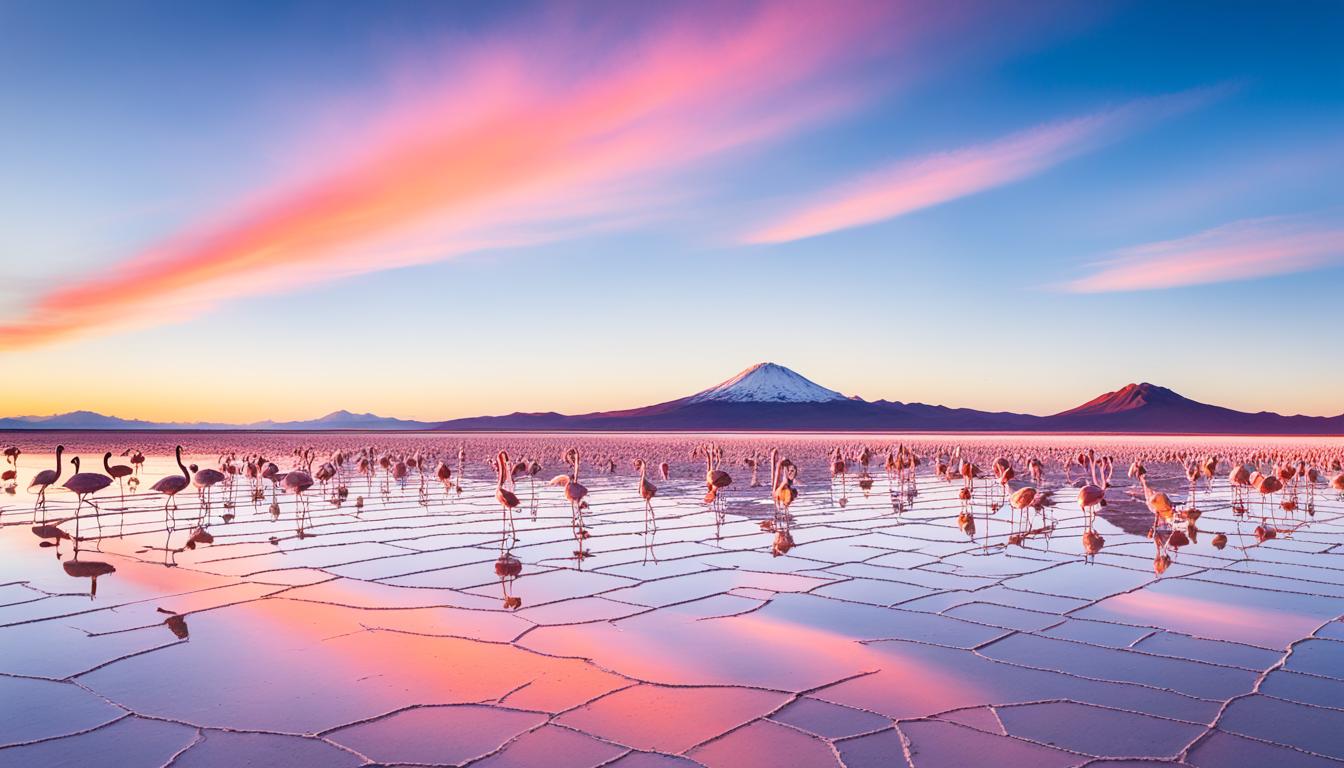
“Photography is a way of feeling, of touching, of loving. What you have caught on film is captured forever… It remembers little things, long after you have forgotten everything.” – Aaron Siskind Welcome to the mesmerizing world of Uyuni Salt Flats in Bolivia, where the ethereal landscapes and surreal beauty Continue Reading
Best places to photograph in Luberon, France
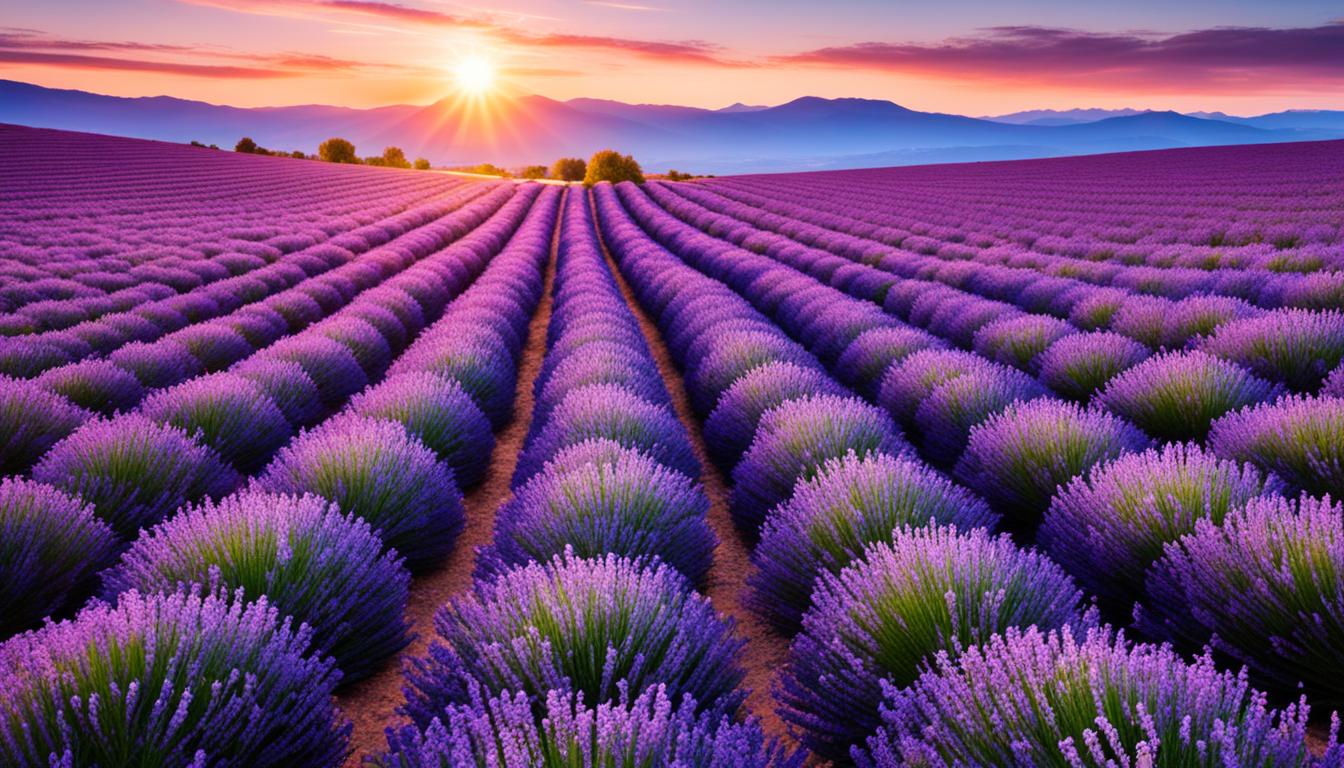
“The camera is an instrument that teaches people how to see without a camera.” – Dorothea Lange Are you ready to capture the beauty of Luberon, France through your lens? From picturesque villages to vibrant landscapes, Luberon offers a plethora of photogenic spots that will leave you in awe. Whether Continue Reading
Best places to photograph in Havana, Cuba
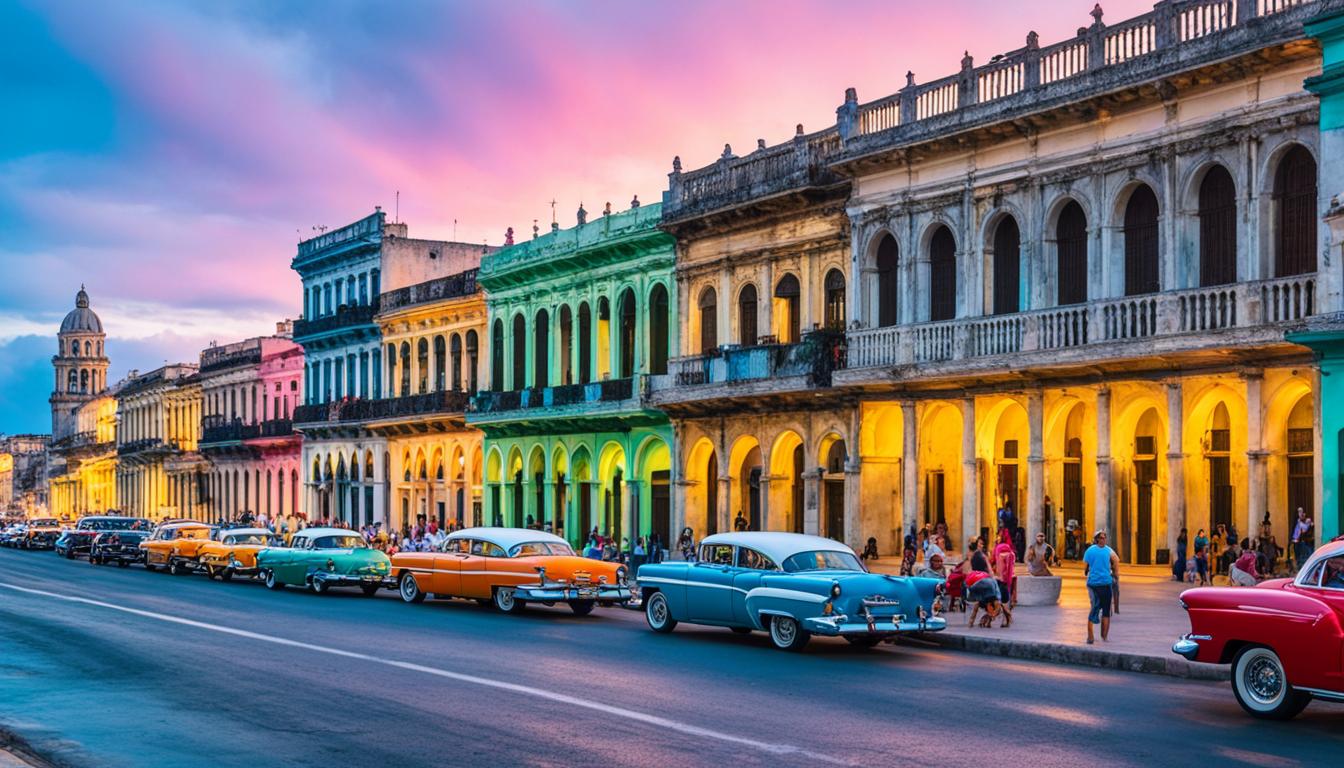
“Photography is the story I fail to put into words.” – Destin Sparks As a professional photographer and tour guide in Cuba, I have compiled a comprehensive list of the best photography locations in Havana. This list includes both popular tourist spots and lesser-known, hidden gems that only locals and Continue Reading